

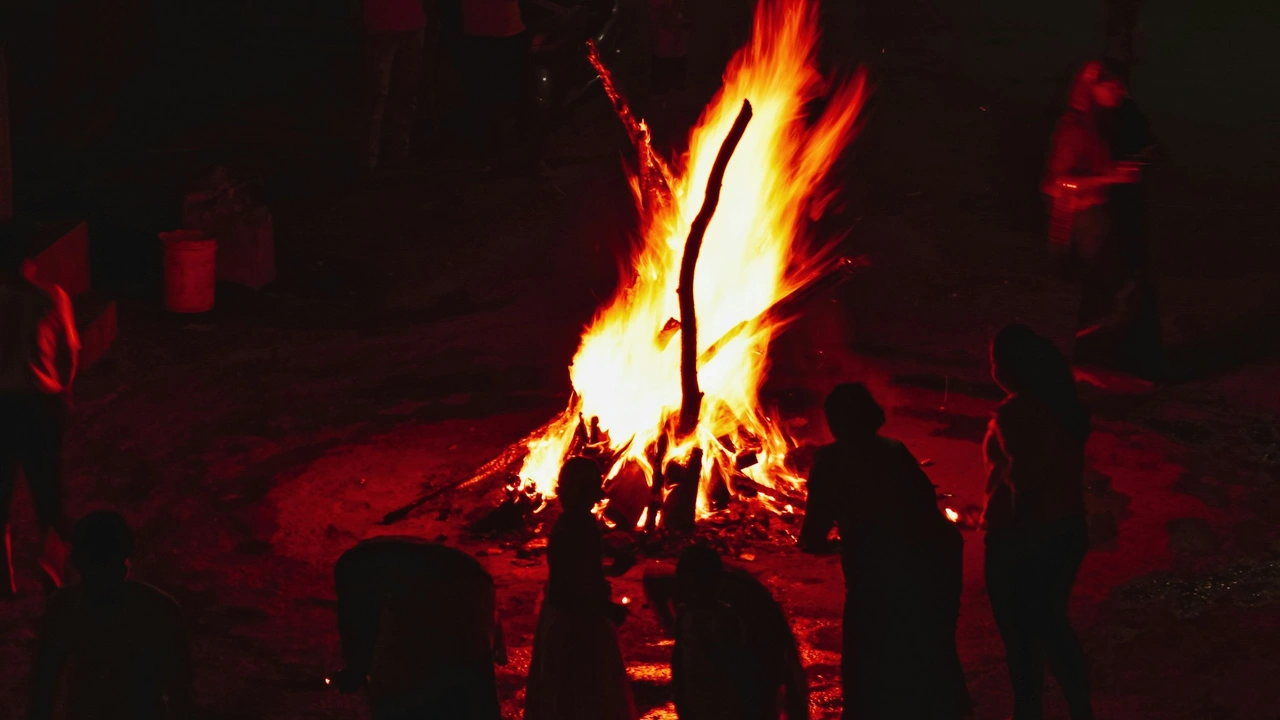
Baisakhi, also called Vaisakhi, is a lively spring harvest festival celebrated annually in April, particularly in Punjab and across India. For many, it signifies the start of the new year according to the traditional Hindu solar calendar and serves as an occasion to express gratitude for the season’s first harvest. However, for Sikhs, Baisakhi carries an even greater significance. This day marks the historic formation of the Khalsa by Guru Gobind Singh in 1699, making it a pivotal event that embodies Sikh identity and faith worldwide.
Historical Roots of Baisakhi in Sikhism
While Baisakhi originally marked the arrival of the harvest season and the solar new year in parts of northern India, for Sikhs it took on a profound religious significance in the late seventeenth century. In 1699, the festival became inseparable from the life and mission of Guru Gobind Singh, the tenth Sikh Guru.
His decision to transform Baisakhi from a seasonal occasion into a cornerstone of Sikh identity was shaped by the turbulent political climate and the escalating persecution faced by Sikhs and other religious communities under Mughal rule. By choosing this widely celebrated day, Guru Gobind Singh ensured that the message of courage, equality, and spiritual renewal would reach the largest possible gathering of devotees.
The Formation of the Khalsa
The most pivotal moment in the historical narrative of Baisakhi occurred at Anandpur Sahib in 1699, when Guru Gobind Singh publicly called for volunteers willing to sacrifice everything for their faith. Tradition recounts that five men—representing diverse backgrounds and castes—stepped forward in response, one after another, to the Guru’s call. Each time, the Guru appeared to lead them into a tent, and the crowd heard the sound of a sword, believing the men had been killed.
When all five reemerged, not in death but in radiant life, they were proclaimed the “Panj Pyare,” or the Five Beloved Ones.
Through this dramatic ceremony, the Guru initiated the five into a new order now known as the Khalsa—a community of “the pure” who would live as saint-soldiers, committed to both spiritual discipline and righteous action. They were given the names Singh (lion) for men and Kaur (princess) for women to erase caste distinctions and affirm a shared, elevated identity.
The Five Beloved Ones then administered the same initiation to the Guru himself, symbolizing that authority and service were to be mutual rather than hierarchical. This founding of the Khalsa on Baisakhi day fundamentally reshaped Sikh religious and social life, establishing a visible, unified community bound by a common code of conduct and shared symbols.
Reaffirmation of Sikhism’s Values
Baisakhi, in the light of the Khalsa’s creation, became much more than a commemoration of a single historical event; it emerged as a living expression of Sikhism’s core values. The public initiation of the Panj Pyare demonstrated that every Sikh, regardless of birth, is called to courage, self-discipline, and unwavering commitment to truth. In the face of oppression, the Guru’s message emphasized that faith must be embodied in action—by defending the weak, rejecting injustice, and upholding the dignity of all people.
The Khalsa’s emphasis on equality, justice, and service to humanity thus became inseparable from the Baisakhi celebration itself.
Even today, Sikhs worldwide use Baisakhi to reaffirm these principles. Through community prayer, recitation of the Guru Granth Sahib, and public processions, believers reflect on the legacy of the Khalsa and renew their personal commitment to living according to Sikh teachings.
Acts of seva (selfless service), charitable giving, and outreach to neighbours of all backgrounds are woven into the festivities, turning joy and celebration into tangible expressions of compassion and solidarity. In this way, Baisakhi continues to serve as both a historical landmark and a spiritual milestone, reminding Sikhs that their identity is rooted not in ritual alone, but in daily choices to uphold justice, defend the oppressed, and live in conscious unity with one another.
Celebrations and Rituals of Baisakhi
Baisakhi is marked by a vibrant tapestry of spiritual and cultural practices that reflect both the agricultural roots and the deep Sikh heritage of the festival. From early morning prayers at the gurdwara to lively street performances, the day is structured around community participation, devotion, and joyous expression.
Nagar Kirtans and Processions
One of the most prominent public expressions of Baisakhi is the Nagar Kirtan, a devotional procession that winds through city streets and neighbourhoods. These processions typically begin at the gurdwara, where the Guru Granth Sahib is placed on a beautifully decorated platform and carried on a ceremonial float.
Devotees, led by the Panj Pyare, walk alongside singing hymns, clapping, and playing traditional instruments such as the dhol and harmonium.
As the Nagar Kirtan moves forward, the air fills with the sound of kirtan and the rhythmic beat of drums, creating a powerful atmosphere of collective devotion. Many participants wear traditional Punjabi attire, and the colourful display of flags, banners, and floral decorations transforms the streets into a moving celebration of faith and heritage. Martial arts displays, folk dances like Bhangra and Gidda, and community greeting stalls are often part of the route, reinforcing the dual themes of harvest revelry and religious commitment.
Amrit Sanskar Ceremony
For many Sikhs, Baisakhi is also a highly significant day for the Amrit Sanskar, or Amrit Sanchar—the Sikh baptism ceremony—because it marks the founding of the Khalsa in 1699. The ceremony is conducted in a sacred space, usually a gurdwara, in the presence of the Guru Granth Sahib and presided over by five baptized Sikhs known as the Panj Pyare.
During the rite, a special nectar called Amrit is prepared by mixing water and sugar in an iron bowl, stirred with a double-edged sword while hymns are recited. The candidates, who must have willingly chosen to embrace the teachings and discipline of the Khalsa, are asked to accept the five Ks and to commit themselves to a life of truth, service, and justice.
Each candidate then takes five sips of Amrit, which is sprinkled on the eyes and hair, before receiving the new name ending in “Singh” or “Kaur”.
The ceremony concludes with the initiate(s) joining the congregation in the recitation of the daily prayers and partaking in the communal langar, symbolizing their formal entry into the Khalsa Panth. On Baisakhi, this rite is especially poignant, as it connects the individual’s spiritual rebirth with the historic moment when Guru Gobind Singh first baptized the Five Beloved Ones and established the Khalsa as a sovereign community of saint-soldiers.
Social and Cultural Impact of Baisakhi
Baisakhi holds a pivotal role in Punjabi and Sikh life, fostering social connections and preserving cultural heritage across generations. As both a harvest festival and a religious milestone, it unites rural and urban communities through shared rituals of gratitude, music, and service. The energetic beats of the dhol, vibrant Bhangra and Gidda dances, and colorful decorations in villages and cities create a lively public atmosphere that reinforces local identity and pride.
Beyond the festivities, Baisakhi serves as a living archive of Punjabi traditions. Elders pass down stories of the harvest, the significance of the Khalsa, and the history of the Gurus to younger generations during gatherings and gurdwara visits.
Wedding announcements, community events, and local business decisions are often aligned with Baisakhi, emphasizing its role as a cultural calendar anchor. In this way, the festival bridges the agricultural past with the modern realities of Punjabi life.
The festival also promotes social cohesion by encouraging intergenerational and cross-community interaction. Neighbors visit each other’s homes, farmers share their harvests, and community groups organize local events that invite participation from diverse backgrounds. These exchanges foster a sense of belonging and mutual support that extends far beyond the day’s celebrations.
Promotion of Sikh Values
At its core, Baisakhi powerfully reaffirms Sikh principles such as equality, justice, selflessness, and seva (selfless service). Guru Gobind Singh’s establishment of the Khalsa on this day highlighted that every individual, regardless of caste, creed, or social status, has an equal role in upholding truth and righteousness. This ideal continues to shape Baisakhi observances, inspiring Sikhs to live virtuous lives and stand against injustice in their communities and societies.
One of the most visible expressions of these values is the langar, or community kitchen, which operates in gurdwaras before and after Baisakhi services. Volunteers prepare and serve meals to all visitors without distinction, embodying the Sikh teaching that all human beings are equal.
Sharing food, regardless of religion, economic status, or background, reinforces a tangible sense of unity and humility among participants.
Baisakhi also encourages reflection on personal conduct and spiritual growth. Sikhs often use the occasion to renew their commitment to daily prayer, honest work, and service to others.
Through hymns, recitations from the Guru Granth Sahib, and community gatherings, the festival reminds believers of the importance of integrity, compassion, and courage in daily life. In this way, Baisakhi becomes not only a celebration but also a moment of moral and spiritual renewal.
Global Celebrations
Baisakhi has evolved from its regional origins into a global celebration of Sikh and Punjabi heritage. In countries such as Canada, the United Kingdom, the United States, and Australia, large Sikh communities organize elaborate festivities that include Nagar Kirtan processions, cultural performances, and special gurdwara services.
These events attract participants from diverse ethnic and religious backgrounds, transforming Baisakhi into a multicultural festival that fosters interfaith dialogue and mutual understanding.
In cities like Surrey (Canada), London (UK), and major urban centers in the United States, Baisakhi parades have become prominent public events, filling streets with color, music, and traditional dance. Floats, drummers, and community groups parade through the city, offering free food and refreshments to all. These celebrations showcase Punjabi culture to a broader audience and provide younger generations of the diaspora with a meaningful connection to their ancestral traditions.
Online platforms and social media further amplify Baisakhi’s global reach, enabling people worldwide to watch live streams of Nagar Kirtans, gurdwara services, and cultural programs. Through virtual participation, even those unable to attend in person can feel part of the global Sikh community. This digital dimension enhances Baisakhi’s role as a unifying force, bridging geographical distances and fostering a shared sense of identity and belonging among Sikhs worldwide.
In conclusion, consistency in habits and intentions defines long-term success. Start by clarifying your goals, then build daily routines that align with them. Small, deliberate actions lead to visible results over time. Stay adaptable in the face of challenges, and use setbacks as opportunities for growth. Surround yourself with supportive people and quality resources that inspire progress. Most importantly, take action today instead of waiting for perfect conditions. Your future depends on today’s choices. Begin now, stay focused, and keep evolving.
FAQ
What is the historical significance of Baisakhi in Sikhism, particularly regarding the formation of the Khalsa?
Baisakhi marks the founding of the Khalsa by Guru Gobind Singh on April 13, 1699, at Anandpur Sahib. During this event, he initiated the Panj Pyare through the Amrit Sanchar ceremony, creating saint-soldiers to resist Mughal oppression. This moment abolished caste distinctions, established the Sikh identity with the Five Ks, and emphasized principles of equality.
When is Baisakhi celebrated, and why does it align with the spring harvest in Punjab?
Baisakhi is celebrated annually on April 13 or 14, signifying the Sikh solar New Year and the spring harvest in Punjab. It coincides with the wheat harvest season, as it falls on Mesha Sankranti, the day the sun enters Aries. This marks an important time for farmers to harvest their rabi crops and express gratitude.
What are the key traditions and activities during Baisakhi at a Gurdwara, such as raising the Nishan Sahib and preparing langar?
At Gurdwaras, Baisakhi traditions include raising the Nishan Sahib (the Sikh flag), offering prayers, and singing kirtan. Nagar Kirtan processions, Gatka (martial arts) displays, and the preparation and serving of langar (community meals) with kada prasad are also significant activities. Devotees participate in seva (selfless service) by cleaning, cooking, and serving meals.
How does Baisakhi embody core Sikh values like community service and equality?
Baisakhi reflects core Sikh values through the establishment of the Khalsa by Guru Gobind Singh in 1699. During this event, five volunteers from diverse castes became the Panj Pyare, symbolizing the rejection of inequality and the promotion of unity. The celebration inspires seva (selfless service) through communal langar meals, fostering a spirit of community service and equality for everyone.